Getting Back to It
Great Egrets
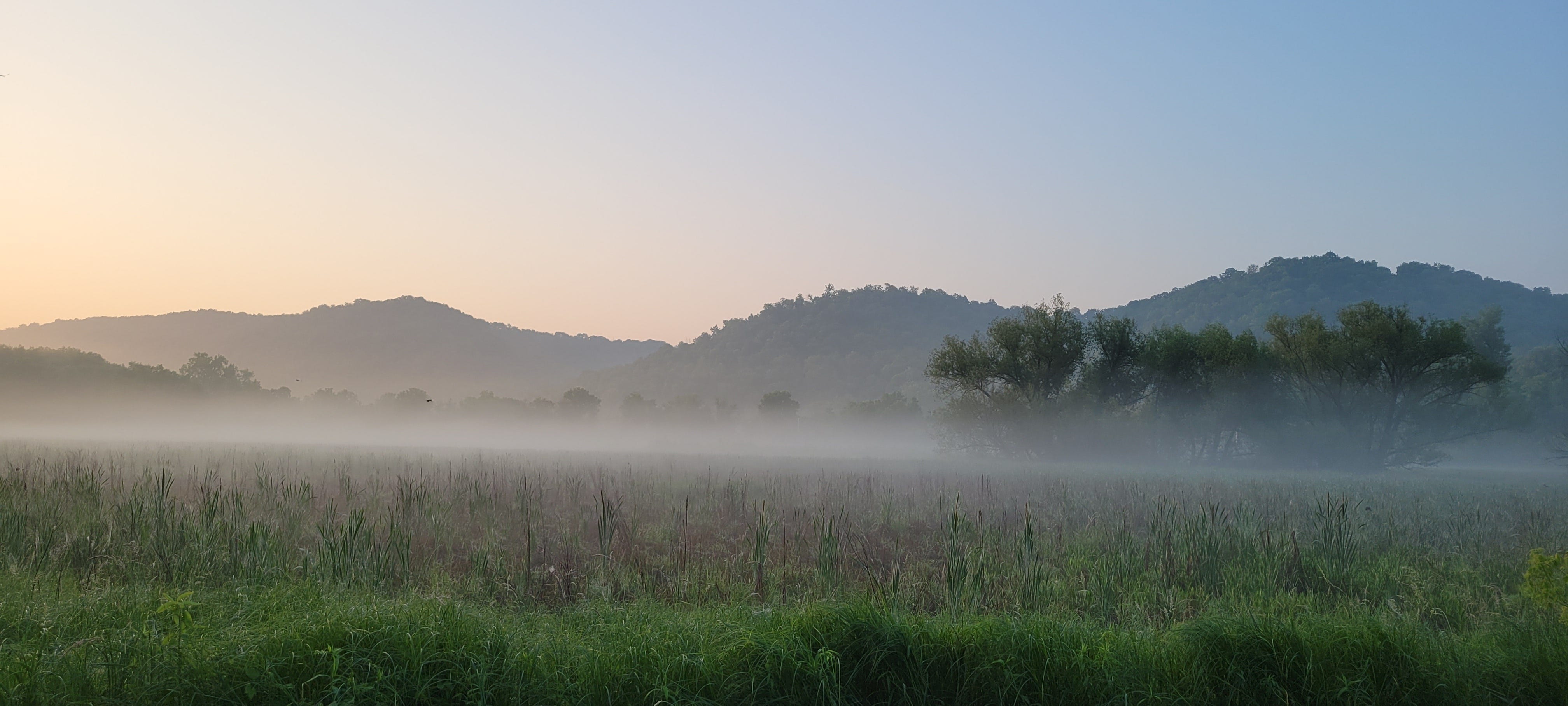
It’s been some time since my last post and almost a year since my very first one. I started this effort thinking it would help get me in the writing spirit, and it has, but I also began this effort of documenting my birding and photography journey with a relaxed attitude. I didn’t need to add another chore or obligation to my already busy schedule. Perhaps it’s more accurate to say, “add another chore or obligation to my overly occupied mind.” I’m not really that busy. Regardless, whether my activity rises to the level of “busy” or my busyness is simply a state in my own mind, I wasn’t going to turn birding and photography into something joyless by obligating myself to a strict schedule.
That said, I’ve been a bit too relaxed about the whole deal, and, as migration comes to an end and birds are nesting for the season, I thought I’d start getting back into a sharing mode.
Rush Creek Natural Area
We’re lucky to live near the Rush Creek State Natural Area in Wisconsin which contains wetlands, forests and fields (soon to be restored prairie). The linked website talks more about the prairie remnant, which will likely come up in a later post, than it does about the marshy areas. Not only are the marsh sections more easily accessed, they have drawn me in with the vibrancy and novelty. Having grown up in Southwest Missouri and Central Illinois, these ecosystems are unfamiliar to me. Even when living in Minnesota, I spent little time exploring marshes.
In the time we’ve been in the area, Rush Creek as rewarded us with plenty to see across the seasons: ducks, geese, swans, cranes, egrets, herons, eagles, and much more - both bird life and a wide range of mammals and interesting flora.
Earlier this year, in the early spring, we were passing through and saw a variety of fowl in the water. This is just a snippet of the group that shows both the variety and activity. As always, in these scenarios, I’m sure there were birds in the background that escaped my attention.
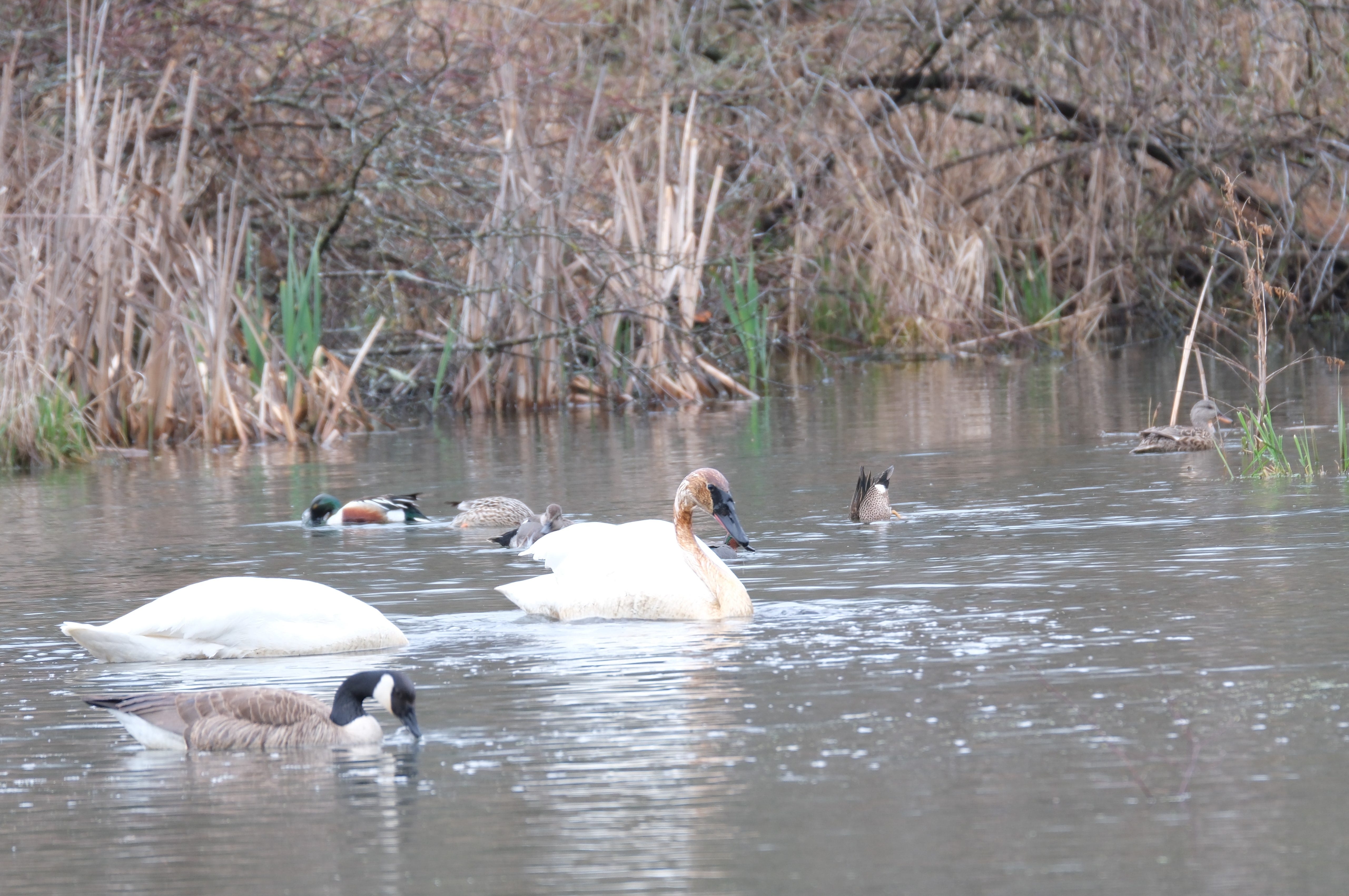
I’m particularly amused that the swans seemingly turn into floating turtles when they go for a bite. The upended duck, a female Northern Shoveler. While difficult to see, there is a male Green-winged Teal just behind the swan with its head above water. With a couple female Green-winged Teal as best as I can tell. The green of their wing isn’t standing out, but that’s likely to do with my camera skill and the particular angle of the birds.
A Turn to Summer - Great Egret
As the season progresses, the ducks, swans, and geese populations dwindle or disappear entirely, giving way to other birds. Lately, Great Egrets have captured my attention. Mostly because they’re what’s around and they’re fairly east to spot!
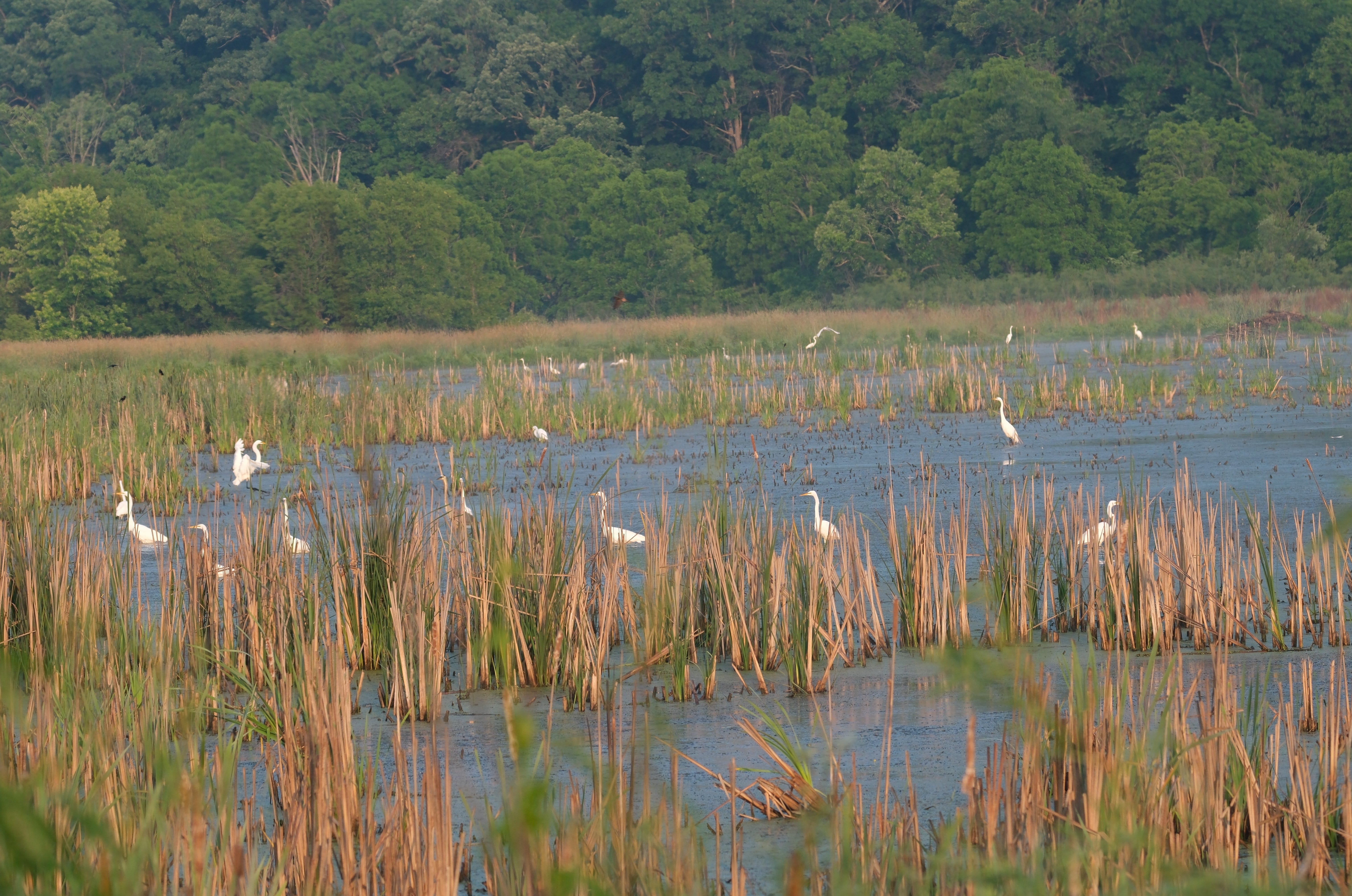
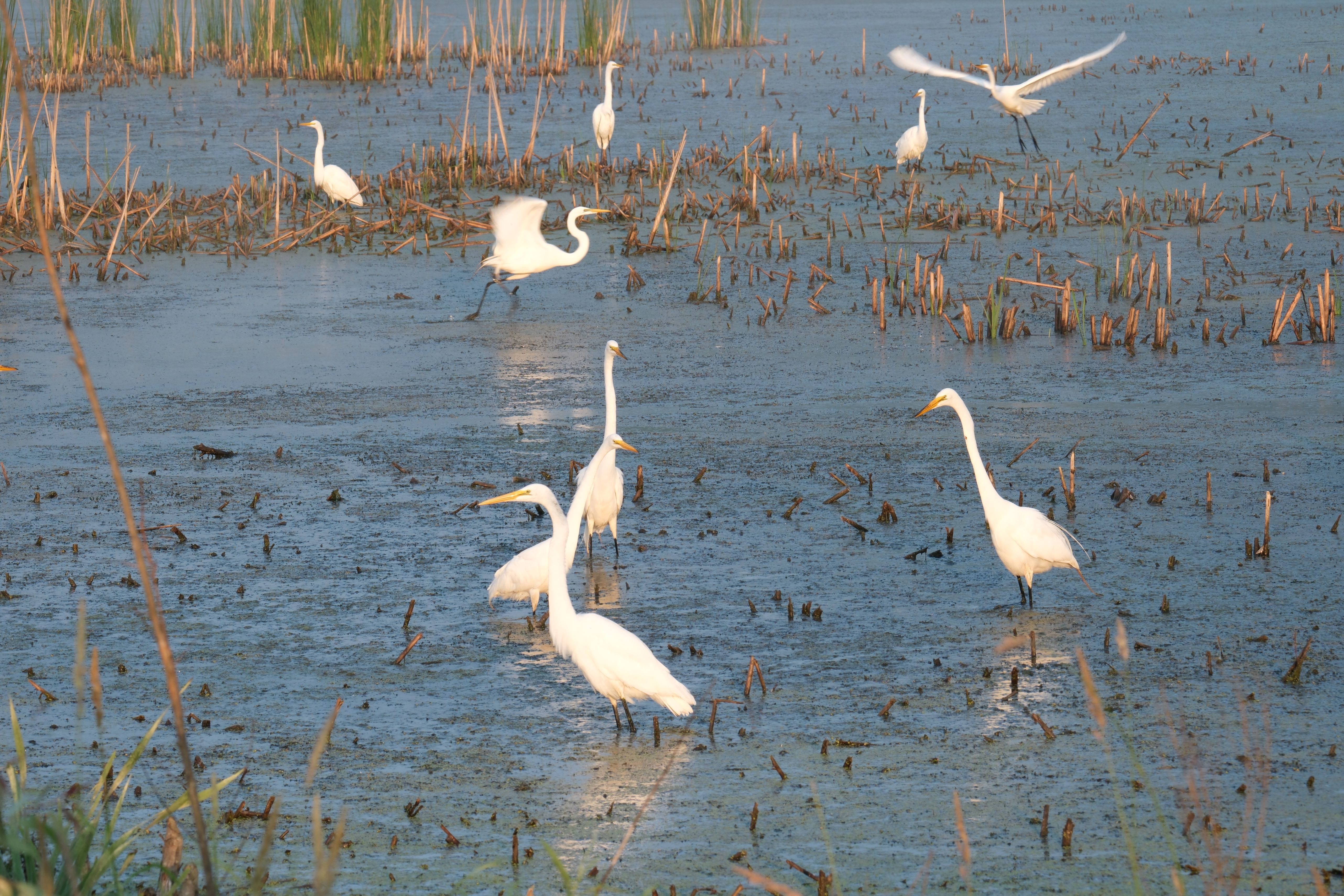
In the morning, the egrets wade through the water searching for a meal. I’ve been arriving to Rush Creak SNA fairly early - thirty minutes to an hour after sunrise. and find a dozen or so hanging out in the marsh. I was astonished last week when I arrived to find nearly fifty milling about. The image above is, of course, only a share of the total. For those looking closely and zoomed in, there is a Great Blue Heron mixed in with the lot. On this particular morning I counted four Great Blue Heron scattered around, among other creatures.
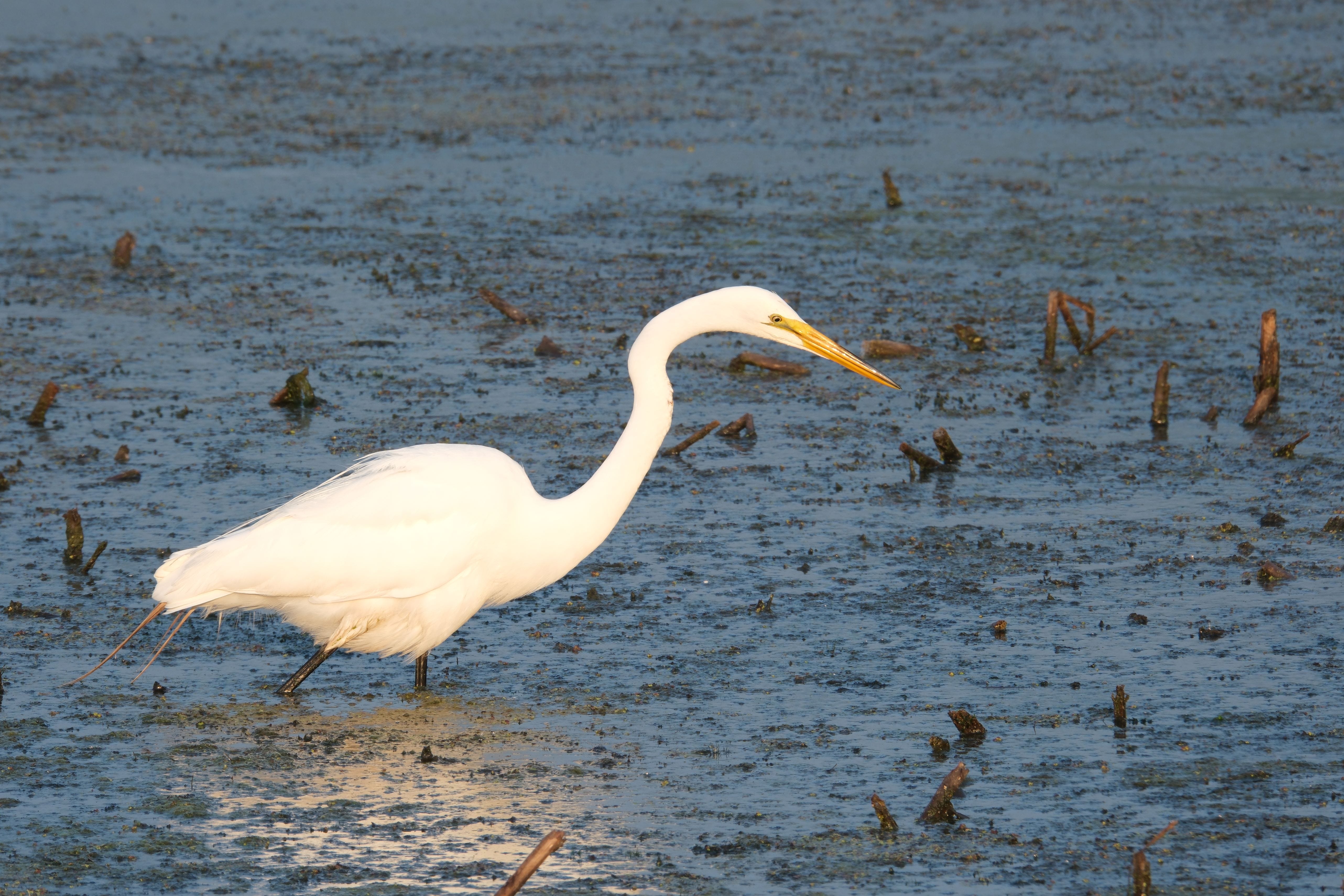
When watching Great Egrets, it’s easy to tell when prey has captured their attention. They become very intent and still and will often stretch out their necks focusing on approaching prey. I’m not sharing other photos due to poor focus, where you can see the neck fully extended, but the one above and the one below give an indication of their concentration.
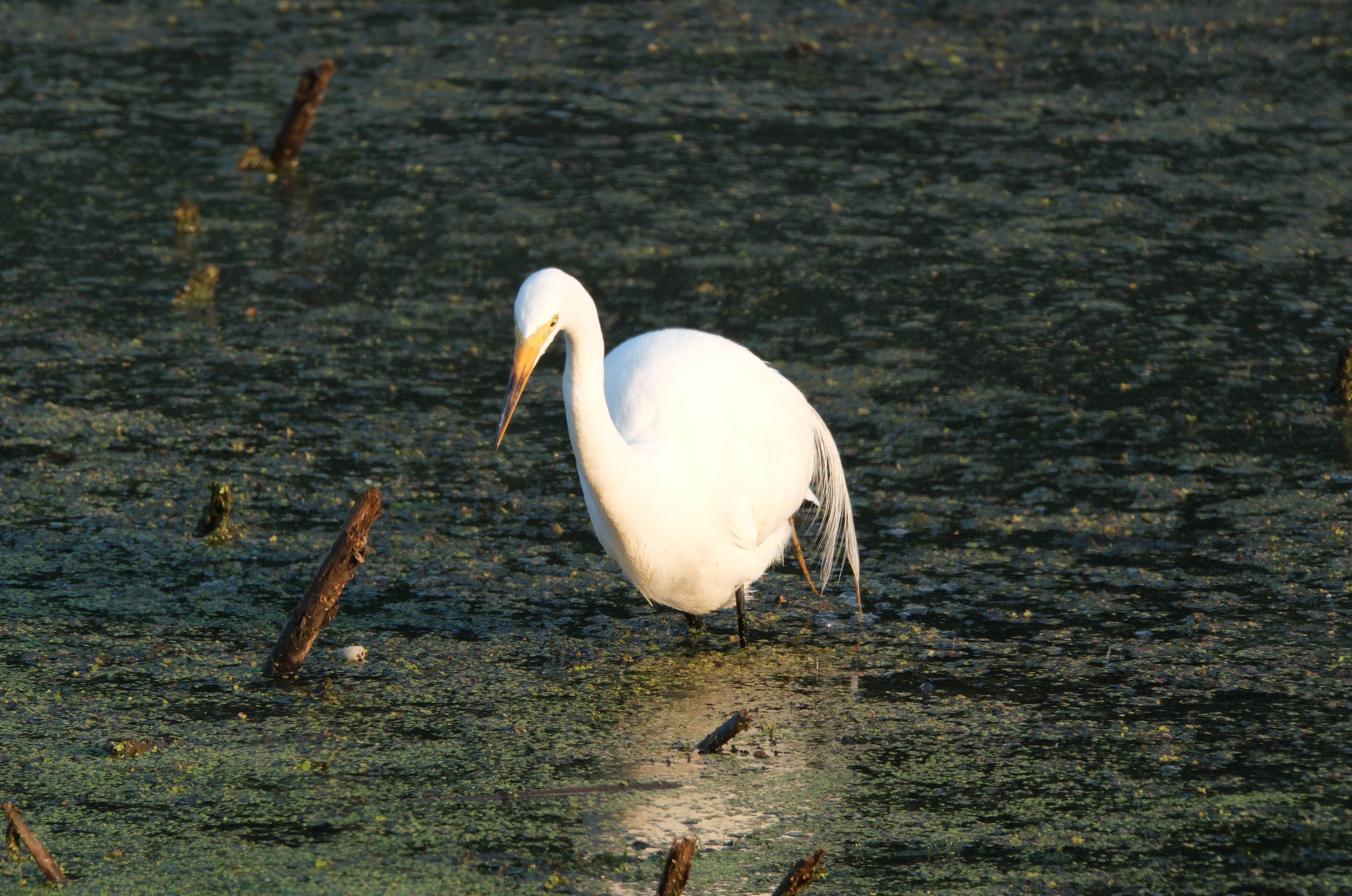
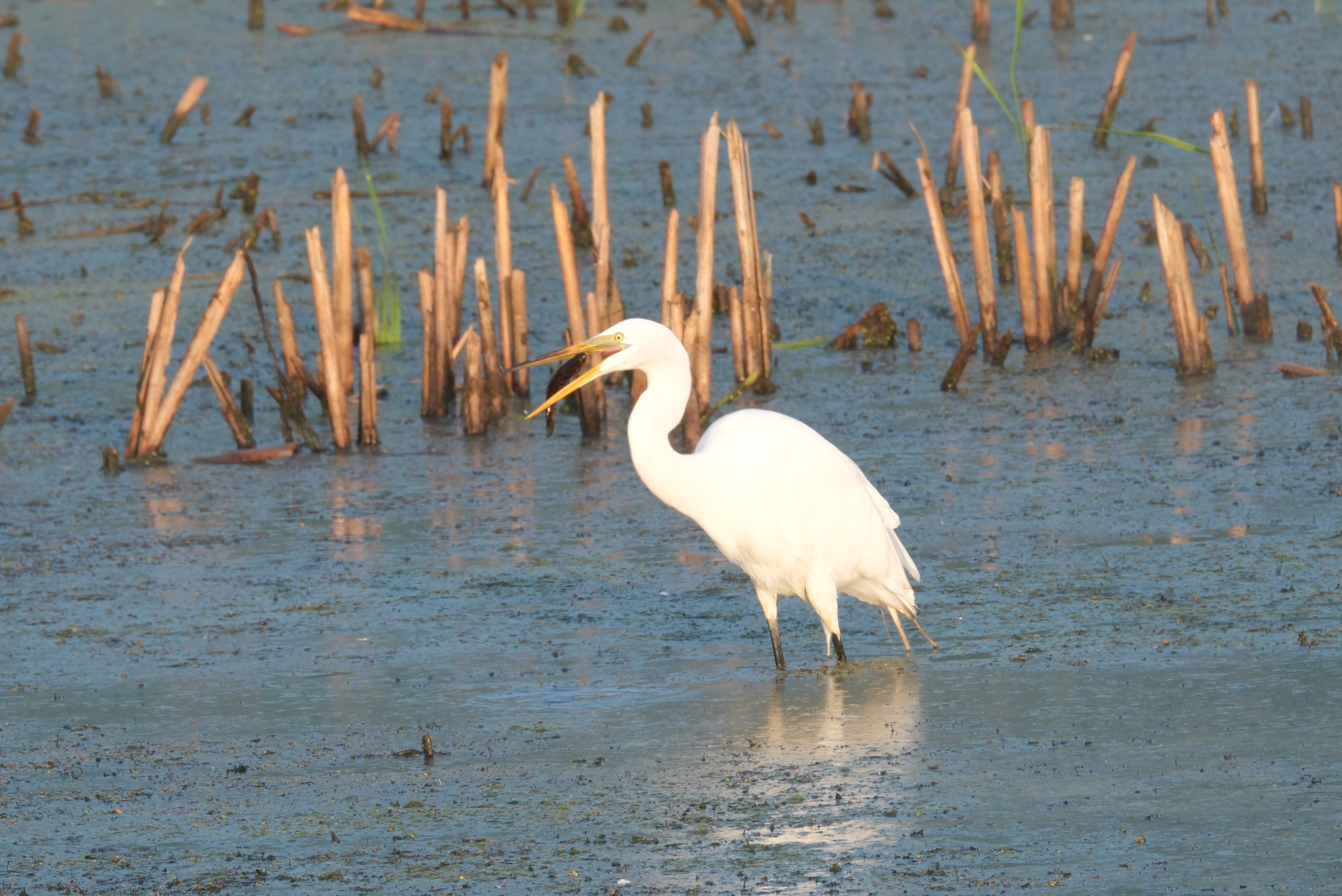
I don’t have any good action photos of the Great Egret actually catching food, but I’m pleased to have a few “food’s been caught” images. The photographic challenge is that they move so quickly to stab or grab their meal. My camera has the speed, but I haven’t gotten the timing quite right, yet.
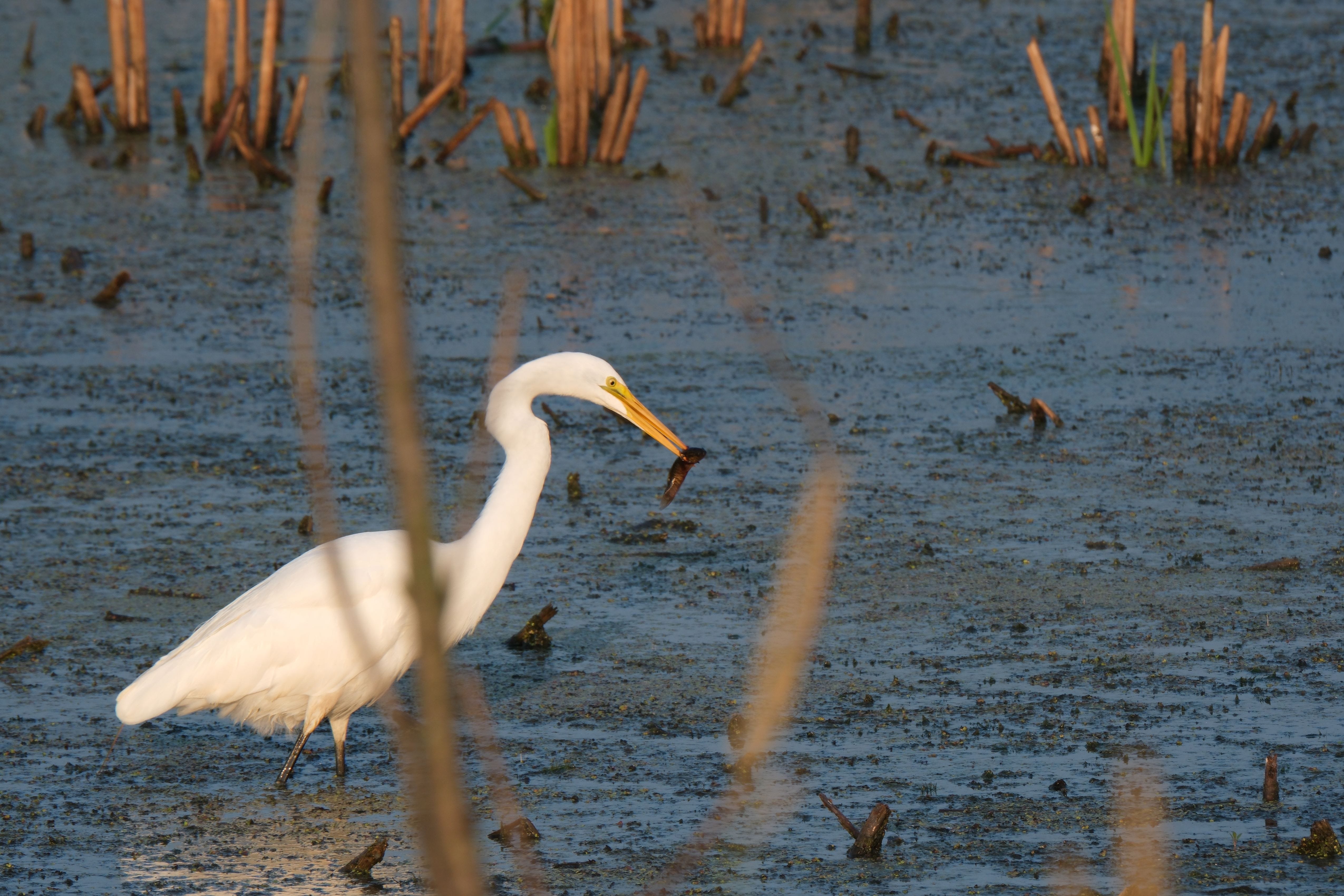
The Great Egret catches and swallows and don’t seem to fuss too much with their food once caught. I’ve observed Great Blue Herons crushing a fish repeatedly in their beaks, dipping the fish in water a few times before swallowing. It makes me wonder if Great Blue Herons don’t care for the feeling of a wriggling fish in their stomachs while Great Egrets are indifferent to the sensation.
As the morning progresses, the egrets begin to depart, leaving singly and in pairs. Usually, a couple hours after sunrise, they’ve almost entirely dispersed. I don’t know where they end up ultimately. My assumption is that they’re looking for a shadier spot, avoiding the direct sun as it moves higher in the sky, or, the road along the marsh becomes to busy/disruptive, and they head to the Mississippi River away from traffic.
On some occasions they’ll perch in the trees along the water for a spell before flying away. I do love it when they perch in trees. Bright white spots on the intense, summer-green leaves. Looking up at them, one can almost imagine themselves somewhere tropical.
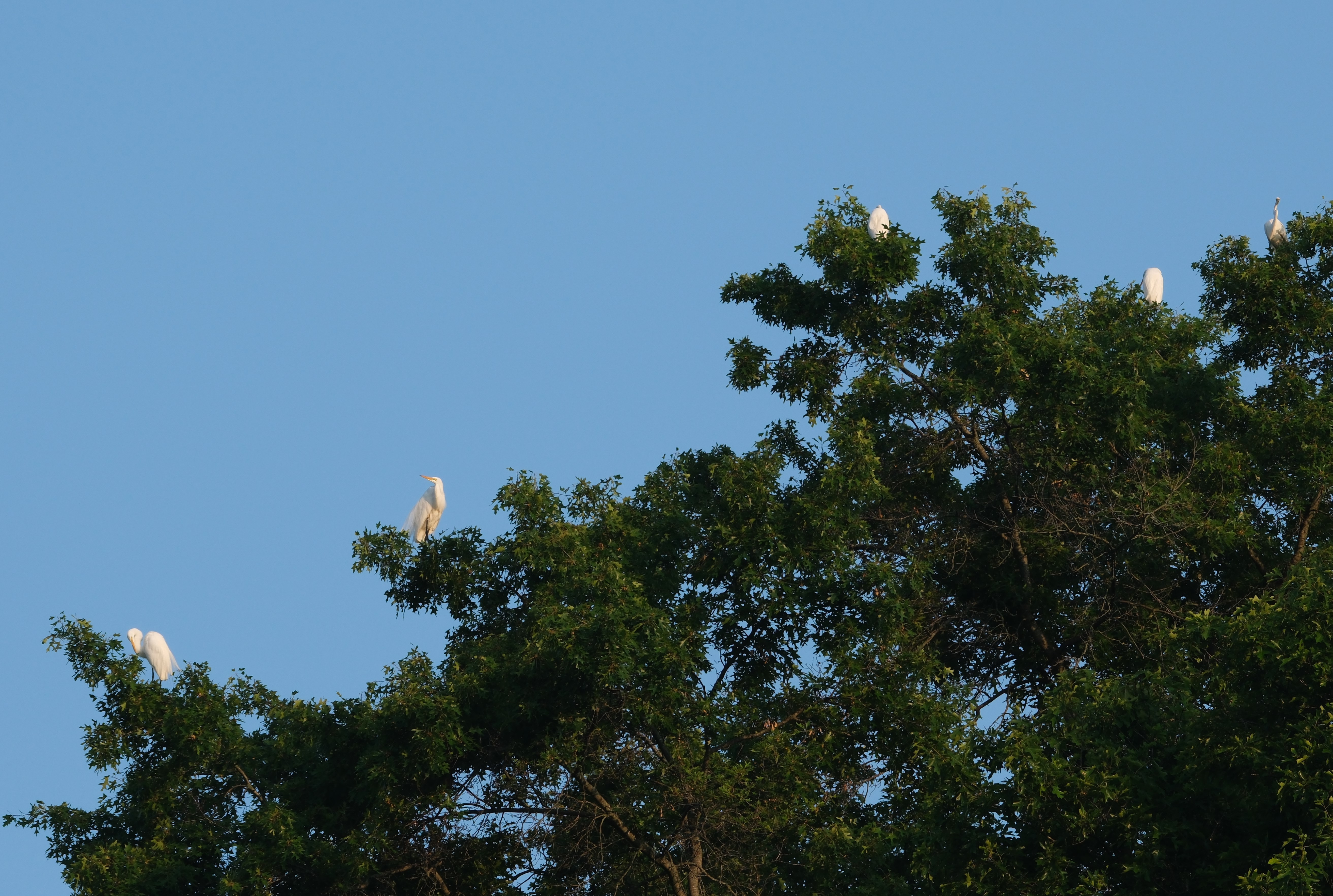
What I’ve enjoyed most, though, about watching the Great Egrets and the community of creatures with whom they share the marsh is the unfolding of events. The sun rises, the Great Egret fishes joined by the Great Blue Heron as the muskrat swims by, with the ducks cruising along in the still water. All of them engaged in their own business, and me, trying my best to witness and take the occasional photo without having excitement get in the way.
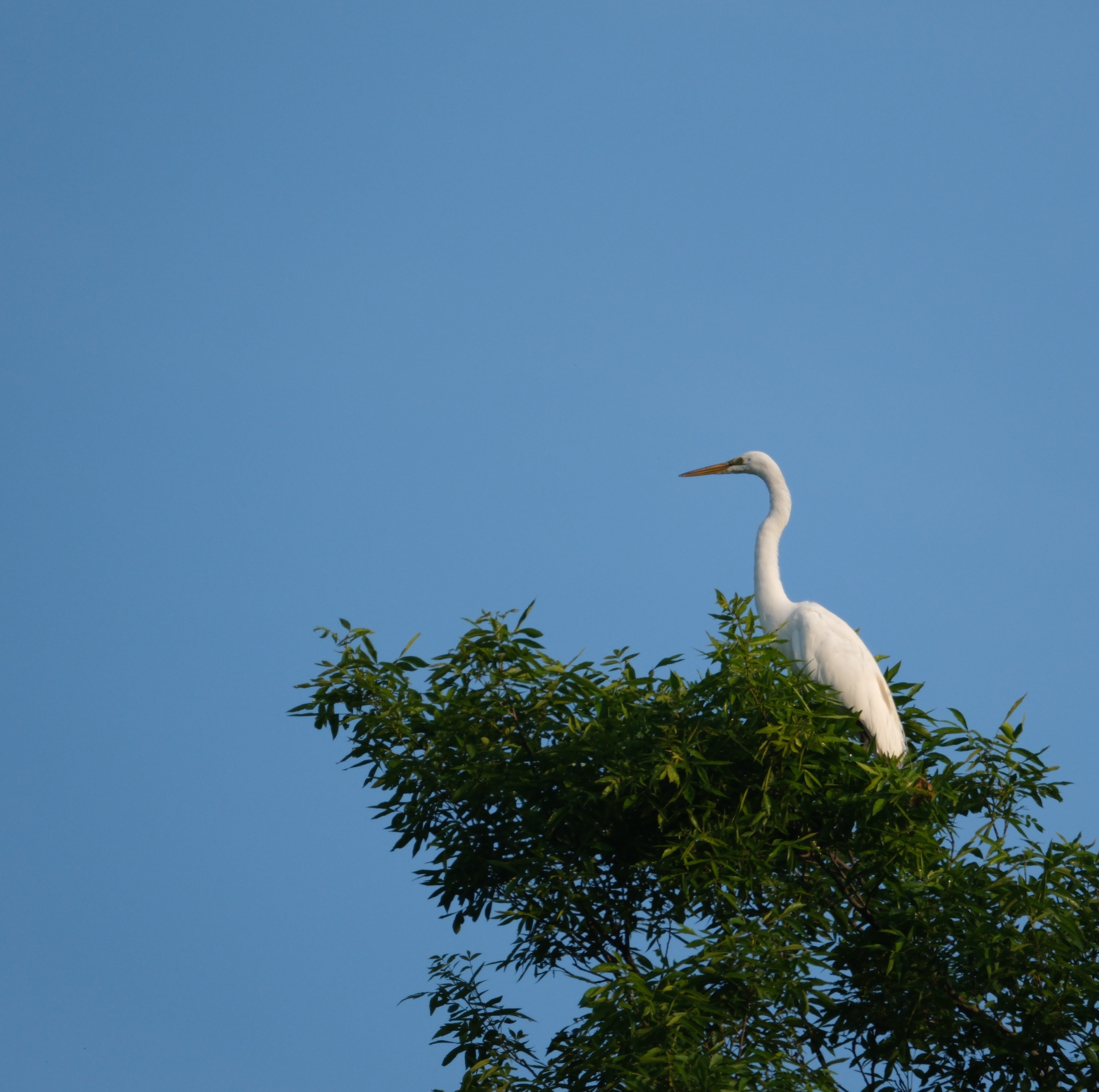
For my next post, I’ll be sharing photos of the Green Heron, which I’ve also been watching while parked at Rush Creek SNA. Until then, keep your eyes open and your ears tuned!